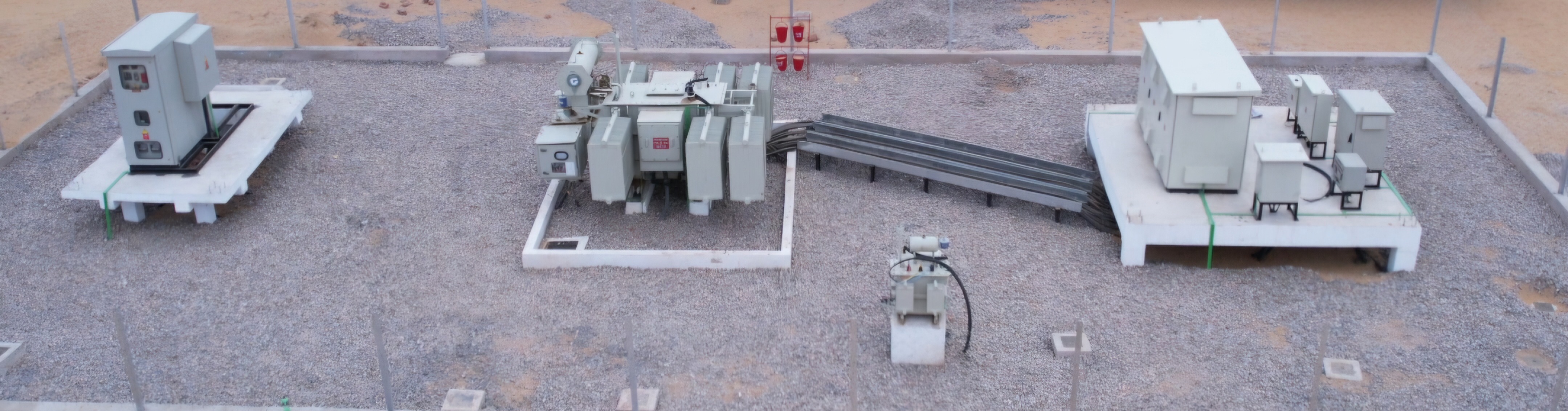
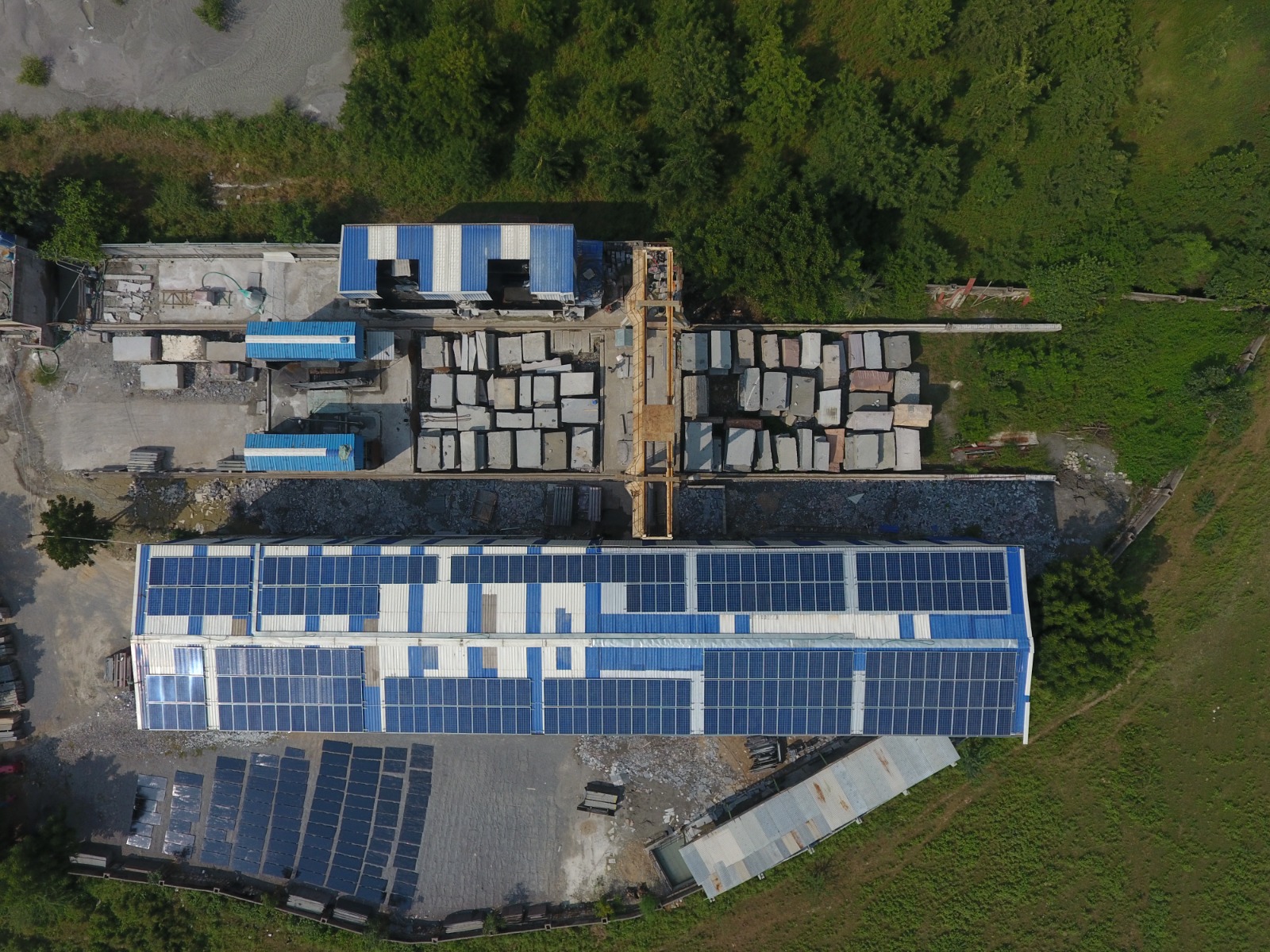
BESS (Battery Energy Storage Systems) are transforming how India manages grid stability. As renewable energy generation becomes more intermittent, utility-scale battery storage provides the flexibility and resilience that modern grids demand.
The Storage Imperative
As India's solar and wind energy capacity surges past 175 GW, grid operators are grappling with an increasingly familiar challenge: managing the variability of renewable generation. Solar plants generate peak power at midday; wind generation peaks at different hours; and demand — particularly from industry and air conditioning — has its own rhythm. Without adequate storage, this mismatch leads to costly curtailment, grid instability, and the continued dependence on expensive diesel and gas peaker plants.
Battery Energy Storage Systems (BESS) provide the critical bridge between generation and demand, enabling grid operators, utilities, and industrial consumers to store surplus power and deploy it precisely when and where it is needed.
How BESS Works
A BESS system consists of:
- Battery Cells: Typically Lithium-ion (LFP chemistry) packaged into modules and racks. LFP offers excellent cycle life (4,000+ cycles), thermal stability, and competitive cost.
- Battery Management System (BMS): Monitors cell-level voltage, temperature, and state-of-charge to protect batteries and maximise performance.
- Power Conversion System (PCS): Converts DC battery power to AC grid power (and vice versa) using bi-directional inverters.
- Energy Management System (EMS): The intelligence layer that dispatches battery charge/discharge based on grid signals, tariff optimization, or contractual commitments.
Key Applications in India
- Solar + BESS Hybridisation: Pairing BESS with solar allows project developers to extend the generation window beyond sunlight hours, enabling "round-the-clock" (RTC) renewable power supply — a key requirement for government tenders.
- DG Replacement: Industrial and commercial establishments running diesel generators for backup power are increasingly switching to Solar + BESS systems, reducing fuel costs by 80–90%.
- Peak Shaving: Manufacturing facilities with high peak demand charges deploy BESS to flatten their load curve, reducing electricity bills significantly.
- Grid Ancillary Services: Frequency regulation and voltage support services represent an emerging revenue stream for utility-scale BESS assets.
The Lithina Advantage
Through our subsidiary Lithina Energy Solution Pvt. Ltd., Ultravibrant manufactures and integrates BESS at a state-of-the-art facility in Jaipur. With a manufacturing capacity of 1,700 MWh, Lithina delivers high-voltage battery packs designed for utility-scale and C&I applications. Vertical integration across manufacturing and EPC eliminates the quality gaps that arise from sourcing batteries from third parties.
Looking Ahead
India's BESS market is at an inflection point. Regulatory frameworks are being established, government tenders are incorporating storage mandates, and financing is becoming more accessible. We expect BESS capacity additions of 10+ GWh annually by 2027, driven by grid stability requirements and falling battery costs. Companies that establish manufacturing depth and execution capability today will be best positioned to capture this opportunity.
Puneet Verma
Senior Energy AnalystSenior leader at Ultravibrant with deep expertise in India's renewable energy sector, bringing years of practical experience in solar EPC, BESS, and project development.